
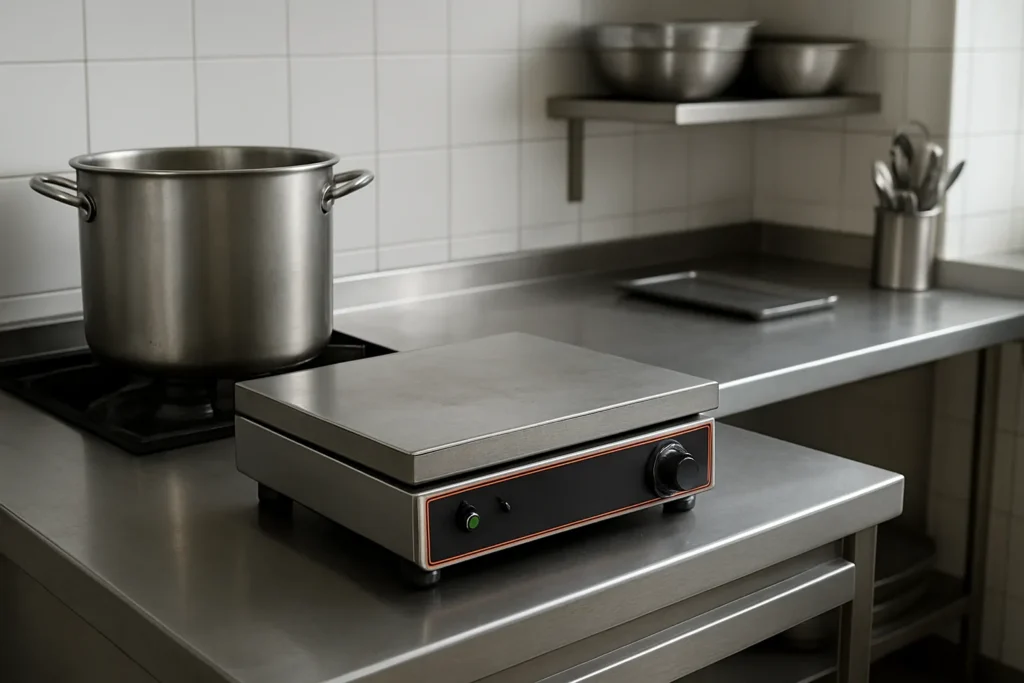
Choosing the Right Heating Plate for Your Restaurant Needs
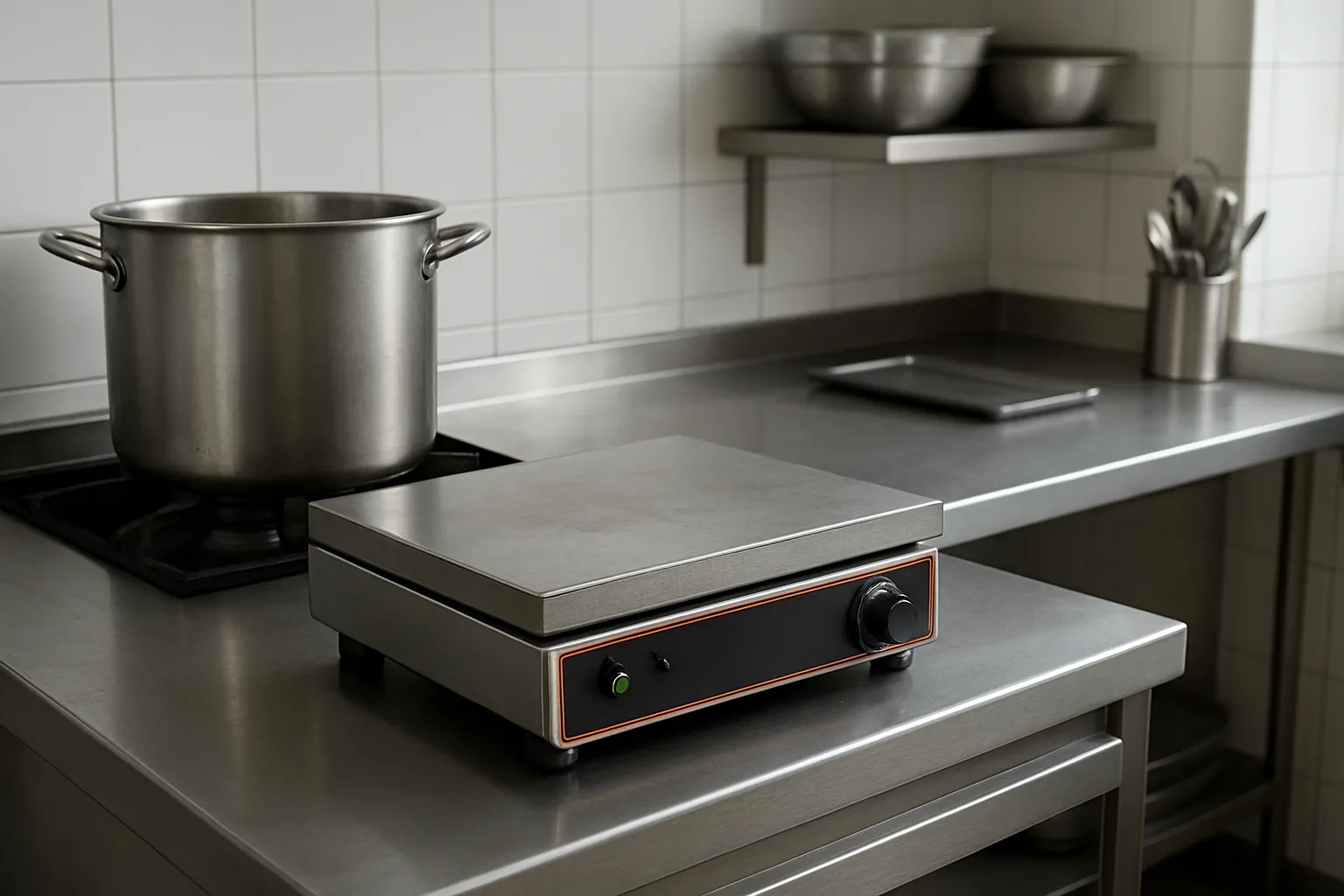
In the fast-paced world of commercial kitchens, efficiency and reliability are essential. Heating plates are crucial for ensuring that food is prepared and served at the optimal temperature. These versatile pieces of commercial kitchen equipment are invaluable for a variety of culinary tasks, from cooking to keeping dishes warm for service.
Heating plates come in various types, each designed to meet specific kitchen needs. Understanding the different types available—such as induction, electric, and gas heating plates—can significantly aid restaurant owners in making informed decisions that enhance their kitchen operations.
Key Specifications to Consider
When selecting a heating plate, several key specifications must be considered to ensure it meets the demands of your restaurant:
- Size and Capacity: The size of the heating plate should align with your kitchen space and the volume of food you typically prepare. Larger capacities may be necessary for high-volume operations. Smaller units are beneficial for more compact kitchens.
- Temperature Range: Different dishes require different temperatures for optimal preparation and holding. A heating plate with a wide temperature range allows chefs to use it for various cooking methods, from simmering sauces to keeping entrees warm.
- Material and Durability: The material of the heating plate affects its durability and heat retention. Stainless steel is a popular choice due to its resistance to corrosion and ease of cleaning. Ceramic and glass options may provide aesthetic appeal but can be more fragile.
Use Cases for Heating Plates
Heating plates serve multiple purposes in a restaurant setting:
- Food Preparation: Many chefs use heating plates as reliable cooking surfaces for sautéing, frying, or simmering. They provide consistent heat and are ideal for preparing sauces or side dishes.
- Food Holding: During busy service times, maintaining the temperature of prepared dishes is crucial. Heating plates can keep food warm without overcooking. This ensures that every plate served is at the right temperature.
- Catering Services: For restaurants that offer catering, portable heating plates are essential. They allow food to be served warm at off-site events, enhancing the overall dining experience for guests.
Comparing Different Heating Plate Models
Choosing the right heating plate model involves comparing various options:
- Electric vs. Gas Heating Plates: Electric heating plates are generally easier to use and maintain. They provide precise temperature control. Gas heating plates, however, offer instant heat and can be more cost-effective in terms of energy consumption, depending on local utility costs.
- Portable vs. Stationary Options: Portable heating plates are versatile and can be moved as needed. They are ideal for catering or outdoor events. Stationary options, on the other hand, are typically more robust and suited for permanent kitchen setups.
- Brand Comparisons: Different brands may offer unique features or warranties. Researching well-reviewed brands can ensure you invest in a reliable heating plate that meets your operational needs.
Sourcing the Right Heating Plate
Finding the right heating plate requires careful sourcing:
- Where to Buy: Commercial kitchen equipment suppliers, both online and brick-and-mortar, are excellent places to start. Look for suppliers that specialize in restaurant equipment to ensure you receive expert advice.
- Evaluating Suppliers: When sourcing, consider the supplier’s reputation, customer service, and return policies. Reading reviews and seeking recommendations can help you find a trustworthy vendor.
- Cost Considerations: While it may be tempting to opt for the lowest price, consider the long-term value of the heating plate. Investing in a quality unit can lead to lower maintenance costs and increased efficiency over time.
Implementation in Your Kitchen
Once you’ve selected a heating plate, proper implementation is crucial:
- Installation Requirements: Ensure that the heating plate is installed according to the manufacturer’s guidelines. For gas units, professional installation may be necessary to comply with safety regulations.
- Safety Protocols: Implement safety protocols to prevent accidents. This includes ensuring that all staff are trained on how to use the heating plate safely and effectively.
- Maintenance Tips: Regular maintenance is essential for longevity. Clean the heating plate after each use and schedule periodic professional servicing to keep it in optimal condition.
Frequently Asked Questions
- How to Choose the Right Size? Assess your kitchen layout and cooking volume. A heating plate should fit comfortably in your space while accommodating the amount of food you prepare.
- What are Common Issues? Common issues include uneven heating or malfunctioning controls. Regular maintenance and proper use can mitigate these problems.
- Warranty and Support Information: Always check the warranty details and available customer support for the heating plate. A good warranty can provide peace of mind and protect your investment.
Conclusion
Selecting the right heating plate is crucial for any restaurant aiming to enhance its kitchen efficiency and food quality. By understanding the various types, specifications, and use cases, restaurant owners can make informed decisions that align with their operational needs. In my experience, having the right heating plate can significantly impact service quality and customer satisfaction. With the right heating plate in place, your kitchen can operate smoothly, ensuring that every dish served meets your high standards for quality and temperature. For more information on heating plates, you can refer to this industry reference.